

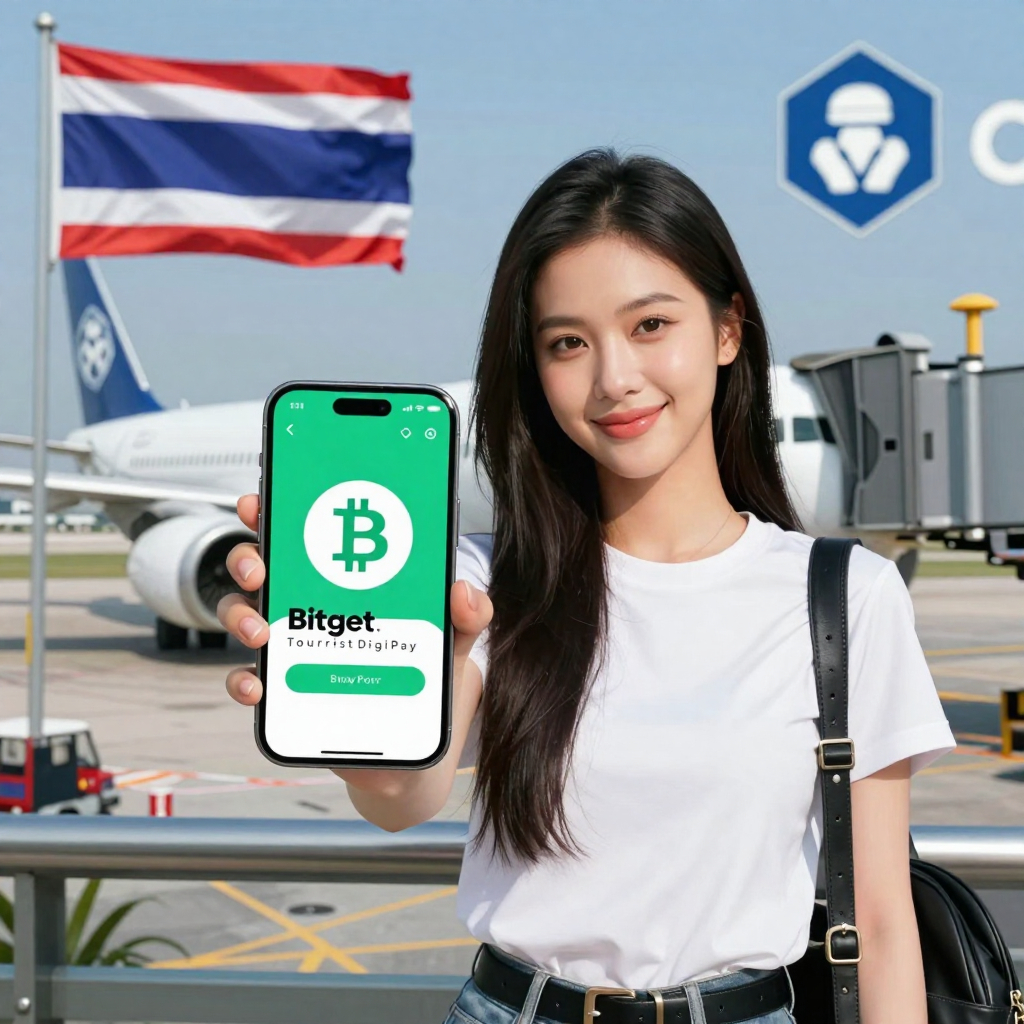
Crypto-Powered Tourism: A New Era of Travel
Travelers are beginning to feel the buzz of crypto-powered tourism, as digital assets unlock smoother, border‑less payment experiences. With airlines, hotels, and local vendors experimenting with crypto wallets, vacation budgeting becomes faster and less encumbered by traditional exchange fees. This cautious optimism is grounded in real‑world pilots—from Thailand’s TouristDigiPay initiative to the UAE’s partnership with Crypto.com—showing that seamless travel payments can coexist with robust compliance measures. As the industry tests new regulatory sandboxes, users can expect greater flexibility without sacrificing security. “…the report confirms the global crypto audience is maturing from speculators to stewards, asking profound questions about purpose, not just price,” — Gracy Chen, CEO of Bitget, notes, highlighting the shift toward purposeful adoption. In the coming pages we’ll explore how these innovations could boost traveler satisfaction, cut costs, and reshape the tourism economy. Stay tuned for insights and real‑case examples that.
Understanding crypto-powered tourism
Crypto-powered tourism refers to the use of digital assets to fund every step of a travel experience, from booking flights to paying for meals, without relying on traditional fiat currencies. By accepting cryptocurrency payments, travel providers eliminate conversion fees and enable settlement across borders. Integrated KYC and anti‑money laundering (AML) checks ensure that each transaction complies with regulatory standards, while compliance layers protect against financial crime and maintain trust. This combination creates a frictionless tourism ecosystem where travelers can move funds, enjoy travel, and receive refunds or loyalty rewards in crypto. As Gracy Chen notes, “…the report confirms the global crypto audience is maturing from speculators to stewards, asking profound questions about purpose, not just price,” highlighting the shift toward purpose‑driven use cases in travel. Tourists can also earn loyalty points that are redeemable for upgrades or local experiences, further streamlining the travel journey and boosting engagement for merchants. Regulators are crafting sandbox frameworks to balance innovation with consumer protection, ensuring that crypto‑powered tourism scales responsibly. Together, cryptocurrency payments, AML protocols, and wallets empower an era of efficient and inclusive tourism.
| Country | Pilot | Partner(s) | Key Features | Reported Impact | Estimated Revenue |
|---|---|---|---|---|---|
| Thailand | TouristDigiPay | Ministry of Finance, Ministry of Tourism, local banks | Sandbox with transaction caps (~US$17k), AI‑driven risk scoring, instant fiat conversion | Aims to boost tourism spend; pilot could generate ~175 billion baht if successful | ~175 billion baht |
| Bhutan | Binance Pay & DK Bank pilot | Binance Pay, DK Bank | Crypto wallet checkout for hotels & transport, bank‑backed settlement, compliance layer | Early adoption; enables crypto payments for tourists, no public revenue figure yet | N/A |
| United Arab Emirates | Crypto.com flight‑purchase partnership | Crypto.com, UAE airline partners | Enables flight and in‑flight purchases with Bitcoin, Ethereum, stablecoins; real‑time conversion | Launched July 2025, increasing digital‑asset usage among travelers | Not disclosed |
Real‑World Implementations and Impact
Pilot programs across Thailand, the United Arab Emirates and Bhutan illustrate how crypto can revive tourism finance. Thailand’s TouristDigiPay, backed by the Ministry of Finance, caps each conversion just under US $17,000 to curb money‑laundering while enabling high‑value bookings; the sandbox aims to offset the 5 % drop in H1 2025 arrivals and could generate roughly 175 billion baht if successful. In the UAE, Crypto.com teamed with airlines in July 2025 to allow flight and in‑flight purchases via digital assets, showcasing a flexible regulatory environment. Bhutan’s partnership with Binance Pay and DK Bank integrates crypto payments into hotels and transport, creating a pioneering tourism‑payment ecosystem.
User‑level data reinforce the momentum. More than 10,000 crypto enthusiasts from 90 countries submitted over 30,000 questions to “Satoshi” through Bitget’s AI, and 90 % of GetAgent users now rely on AI‑driven trading to manage crypto exposure. These figures signal a shift from speculative trading to purpose‑driven travel finance.
“…the report confirms the global crypto audience is maturing from speculators to stewards, asking profound questions about purpose, not just price,” says Gracy Chen, CEO of Bitget. “What’s happening? Countries are looking to compete for global tourists with easier, more flexible payment options,” adds the BIS panel, urging forward‑looking public policies to pair with radical innovation.

CONCLUSION
Crypto‑powered tourism is set to reshape the industry by delivering borderless travel experiences that cut conversion fees, speed up settlements, and unlock new revenue streams for destinations struggling with declining arrivals. The TouristDigiPay pilot could generate roughly 175 billion baht for Thailand, while the UAE’s Crypto.com partnership already enables in‑flight purchases, proving impact. As regulators refine sandbox frameworks and embed robust KYC/AML safeguards, the ecosystem gains credibility, paving the way for wider adoption. SSL Labs brings deep AI expertise to this evolution, offering ethical, transparent AI‑driven payment gateways, predictive analytics, and automated compliance tools that empower travel platforms to deliver personalized itineraries, dynamic pricing, and real‑time fraud detection. By marrying AI with crypto innovation, SSL Labs helps create a trustworthy travel‑finance landscape.
Frequently Asked Questions (FAQs)
Q: How do crypto payments work for airline tickets?
A: When you choose a crypto payment option at checkout, the airline’s wallet receives the digital asset, a liquidity provider instantly converts it to the local fiat or stablecoin needed for settlement, and the ticket is confirmed within seconds. This process leverages cryptocurrency payments and on‑chain verification to cut conversion fees and speed up travel payments.
Q: What are the AML/KYC requirements for using crypto in tourism?
A: Travelers must complete real‑time identity verification (KYC) and provide source‑of‑funds information (CDD) before a crypto transaction is approved, satisfying anti‑money‑laundering standards set by regulators. These safeguards are integrated into the payment gateway, ensuring compliance without disrupting the frictionless tourism experience.
Q: Which countries are leading the adoption of crypto‑powered tourism?
A: The United Arab Emirates, Thailand, and Bhutan are at the forefront of crypto‑powered tourism, with sandbox‑approved pilots that allow airlines, hotels, and local merchants to accept digital assets. Their regulatory sandboxes enable rapid testing while maintaining financial‑crime prevention controls.
Q: How does a regulatory sandbox support crypto‑powered tourism projects?
A: A sandbox provides a controlled environment where fintechs can trial cryptocurrency payments, instant conversion, and compliance layers under relaxed licensing, allowing quicker iteration and proof‑of‑concept deployments. This approach balances innovation with consumer protection, fostering scalable travel payment solutions.
Q: What real‑world use cases show crypto in tourism infrastructure?
A: Thai Airways and the TouristDigiPay platform accept Bitcoin and stablecoins for ticket bookings, while Bhutan’s partnership with Binance Pay integrates crypto into hotel and transport payments. These examples demonstrate practical digital assets use in airlines, hotels, and local services, driving borderless travel.