


| Threat Category | Description | Recommended Mitigations |
|---|---|---|
| Prompt Injection | Malicious input or retrieved data that causes the agent to ignore its constraints and execute unintended actions. | Input sanitization, output validation, instruction tuning, role‑based prompting. |
| Tool Poisoning | Manipulated tool descriptions or registration of shadow tools that lead the agent to misuse capabilities. | Tool allowlisting, signature verification, sandboxed execution, strict tool manifest validation. |
| Credential Leakage | Sensitive credentials exposed through logs, error messages, or the LLM’s context window. | Credential isolation, secret redaction, secure storage, zero‑trust access controls. |
| Agent‑Card Abuse | Impersonation or misdirection of tasks in multi‑agent systems using forged or altered agent cards. | Signed agent cards, mutual authentication, privilege separation, audit trails. |
| Persistence & Replay | Replay of stale context or reuse of outdated resources enabling repeated attacks. | Secure context storage, context hashing, expiration policies, replay detection. |
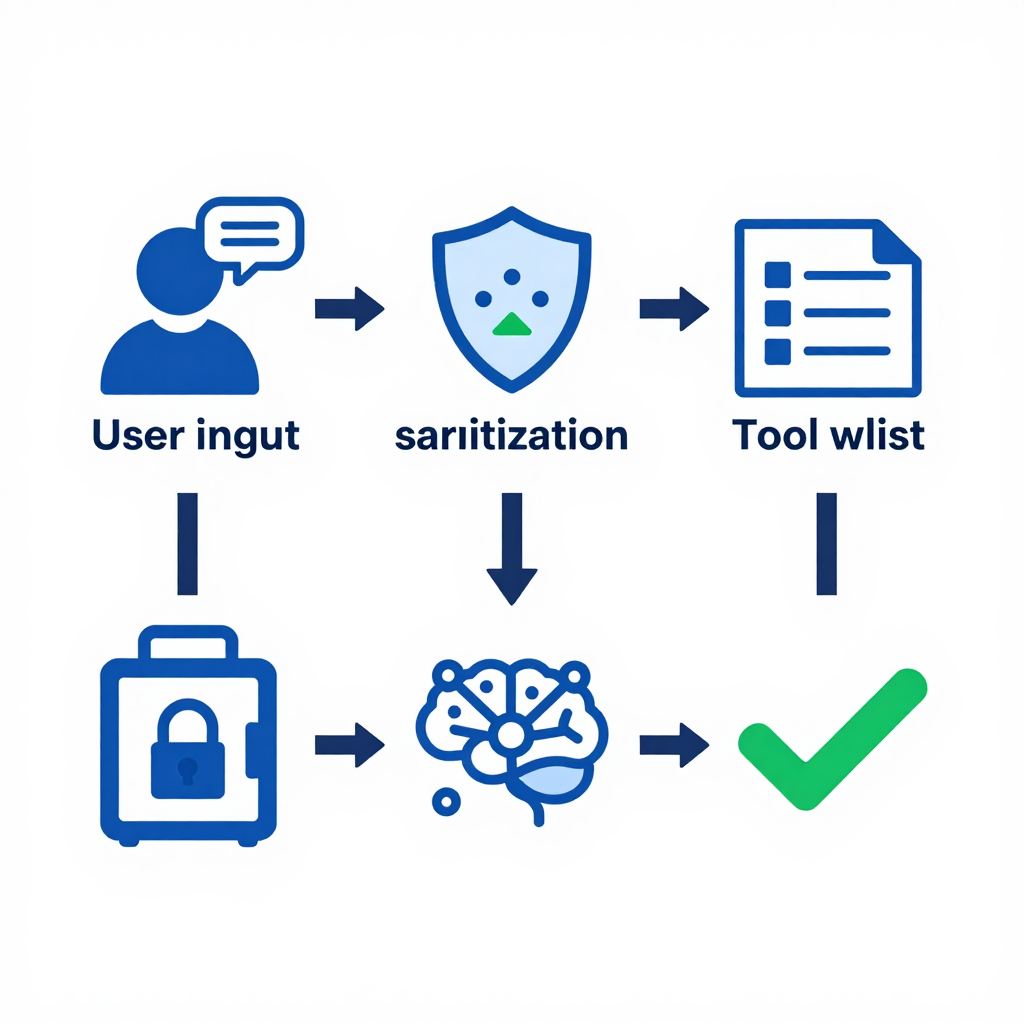
Ensuring AI agent security is no longer optional; it is a foundational requirement for any organization that relies on intelligent automation. By recognizing threats such as prompt injection, tool poisoning, and credential leakage, and by implementing the layered defenses—input sanitization, tool allow‑listing, credential isolation, signed agent cards, and secure context storage—teams can stay ahead of attackers rather than react after a breach. Proactive monitoring and regular audits turn potential vulnerabilities into early‑warning signals, protecting both data and reputation. SSL Labs, an innovative Hong Kong‑based startup, dedicates itself to ethical, secure AI solutions, delivering transparent, bias‑free systems that prioritize privacy and robustness. Explore SSL Labs’ services to empower your deployments with trustworthy, secure AI today and future‑proof your operations across industries globally.